Filmmaking in Winter
Top gear & tips for shooting in extreme weather conditions.
Overcome Extreme Set Conditions
Learn how each filmmaker overcame critical challenges during production, their recommended gear list and top tips for production in extreme, wintry conditions.
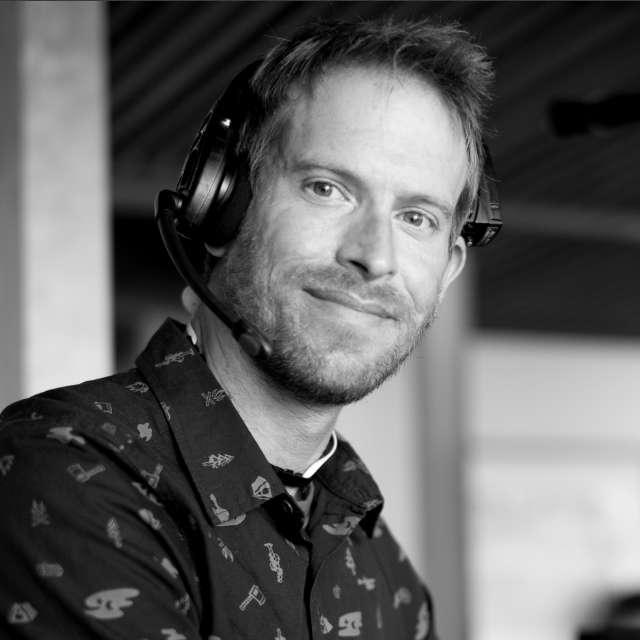
featured filmmaker
Clair Popkin
Clair Popkin is an Emmy award winning cinematographer working mainly in the commercial, documentary and film fields. His recent credits include National Geographic’s Oscar and Emmy winning feature length documentary, Free Solo. Popkin shot Professional rock climber Alex Honnold in his attempts to conquer the first free solo climb of famed El Capitan's 900-metre vertical rock face at Yosemite National Park.
Clair won a Primetime Emmy in 2019 for Outstanding Cinematography in a Nonfiction Program for his work on Free Solo, for which he also won the Cinema Eye award for Best nonfiction Cinematography. Clair also received the Critics Choice Documentary Award in 2018 for Best Cinematography.
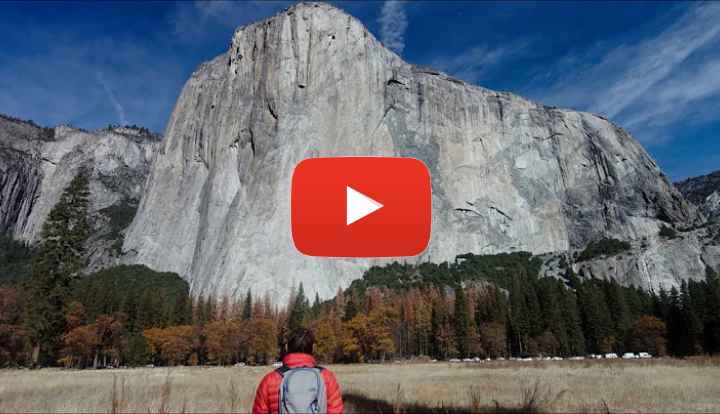
Free Solo
National Geographic
CLAIR’S PRO TIPS:
- Always shoot with intention. For each project, one should think about why it's here, why it's at this height and not a foot over or a foot lower. Having intention will allow you to define your own style and look.
- If you're going to do something, do it 100%! What you capture on film is forever and on documentaries, you may not get a second take, so you need to shoot your best every time.
- Scout whenever possible, this allows you to come up with a plan on how to be efficient and shoot with the best light.
- Each camera is a tool and has a use, the most high-end camera isn't always the right tool for every job. Sometimes you need a lighter-weight small camera with long battery life, so try to be open-minded.
Clair Popkin’s Top Gear Selections
Equip Your Next Winter Project
Whether you're shooting outdoors in similar extreme conditions or want to learn more about Lynn's gear selections, reach out to our team of experts.
Discuss your next project's production goals and requirements.
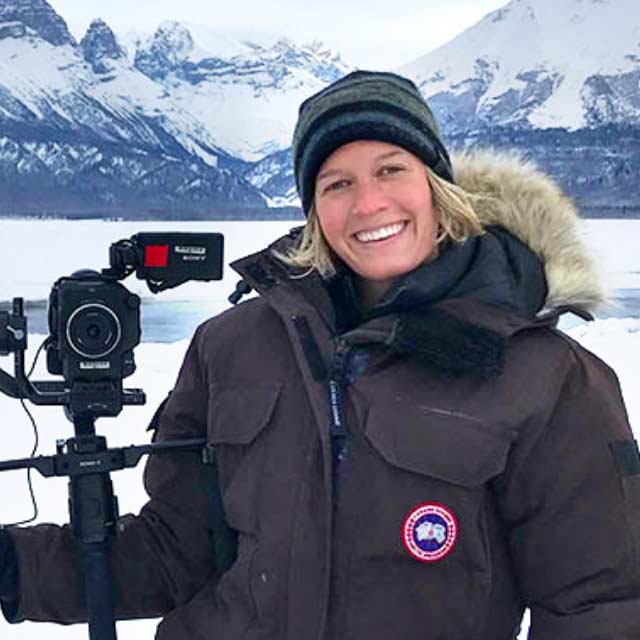
featured filmmaker
Lynn Millspaugh
Lynn Millspaugh is a filmmaker, who lived in the extreme cold weather in Alaska for a month, shooting the National Geographic series, Life Below Zero. This series takes viewers deep into an Alaskan winter to meet tough, resilient residents as they try to stay one step ahead of storms and man-eating beasts to survive the season. The production crew of four had to carry camping, camera, culinary gear, and all weather-appropriate outerwear. Their production camped in Wrangell-St. Elias, which is the largest national park in the U.S and was able to capture footage of wildlife bison and wolves as well as capture reality footage of the cast.
As the AC and DIT, Lynn was tasked with shooting most of the B roll cutaways and slow-motion specialty shots such as ice fishing and target practice. Some highlights from the set included leaving out the Canon 5Ds overnight in the cold to capture time-lapses of the northern lights and aurora borealis. The most extreme weather condition they shot was down to below 20 degrees Fahrenheit. Every morning, the crew packed a sled with a tarp full of gear in weather and waterproof pelican cases, and tow it out by snowmobile to the shooting location.
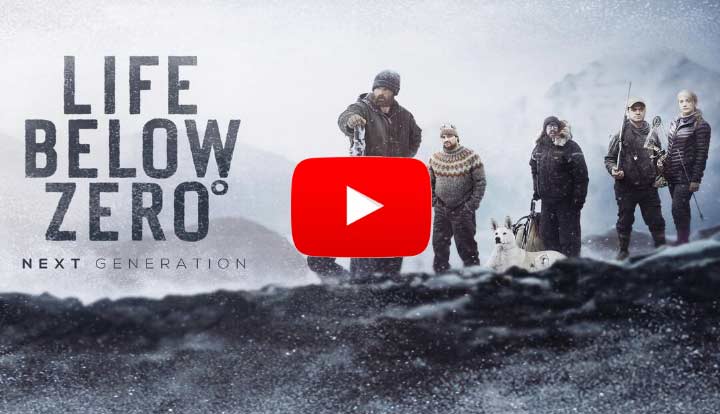
Life Below Zero, Next Generation
Season 3, Episode 1
Lynn’s Pro Tips:
- Have proper pelican and water proofing gear Use tubes /coffins for tripods to protect during travel
- Keep batteries warm with hydroflask tote, insulated cooler or even with hot hands that would typically keep their hands and feet warm. You can also keep batteries warm by wearing it close to their bodies. Go pro batteries died more quickly with extreme cold weather.
- Have extra lens clothes, towels or silicon cases to insulate and protect lenses from the cold and travel
- Lynn recommends you wrap each lens individually with the Domke velcro lens wrap to insulate it from getting cold
- Use tubes /coffins for tripods to protect during travel
- Pack extra headphones for camera operators since they were easy to break
- Pack the right kind of filter like circular polarizer for shooting landscape and wilderness
Lynn Millspaugh’s Top Gear Selections
featured filmmaker
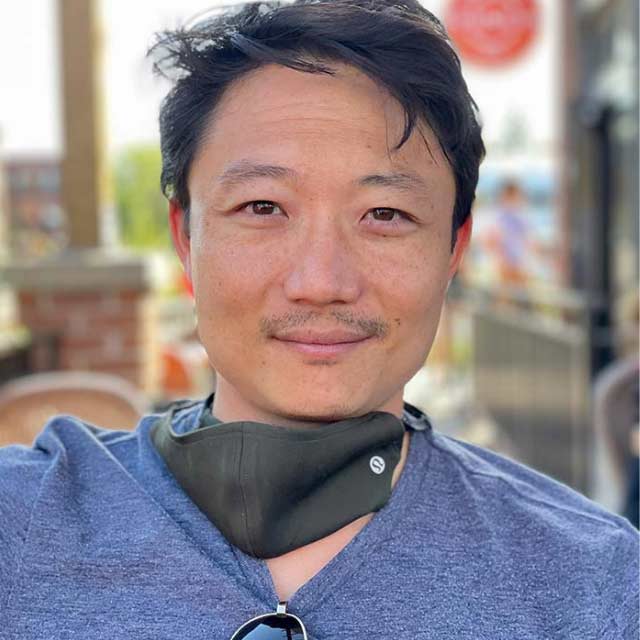
Mike Shum
Mike Shum is a documentary filmmaker, based from Denver, CO, who has produced for PBS Frontline, BBC, Al Jazeera Witness, Time Magazine, and National Geographic. In the last year, Mike has been stationed in Minnesota filming a documentary feature on Minneapolis public safety following the murder of George Floyd. Mike had to face not only Minnesota’s frigid cold, running below freezing temps as low as -60 degrees Fahrenheit, but also warlike conditions during live protests. With the nature of the sensitive content, Mike worked as a one-person crew conducting live on-the-ground interviews of with residents and police and live event occurrences. Because of that, he had to scale back his requirements for filming down to just one camera, set of lenses and minimal accessories and mics to capture interviews. Mike would be filming for hours at a time, outdoors, in the cold, and carrying the FX9 around. Learn more about his survival tips.
Mike’s project is currently in post-production, and will be released via PBS Frontline. Read more here.
MIke’s Pro Tips:
- Have extra batteries on hand. I was using the FX9 and coupled with the extreme cold temps, my batteries would deplete very quickly. It’s a careful balance between handling the weight of the camera with.
- Select Lighter Camera. With the nature of the production, I wished I was running with the Sony FX6, instead of the FX9. FX6 would produce the same high production quality but would be lighter weight for me to carry throughout the day.
- Beware of condensation. When you go from extreme temperatures, inside to outdoor freezing temps, condensation will occur. I employ a combination of techniques to prevent moisture forming in the lens and even worse, the camera sensor. The first basic thing I keep an eye on is having a protective filter on the camera lens – this is the first thing that is vulnerable to moisture forming that would prevent on-the-go filming. In these situations I generally remove the filter when filming outside and rely heavily on my lens cap for protection as well as the internal variable ND filters in the Sony FX9. More importantly, the quick move from an extremely cold situation to a warm or room temperature situation is the primary source of condensation especially in a humid environment like Minnesota. To address this issue I bring a bag that’s big enough for the camera to hold. Before I enter a dramatically warm or cold environment I put the camera in the bag so that the temperature of the camera doesn’t quickly shift. That controlled temperature transition both slows down and oftentimes prevents condensation. Use handwarmers! I use them a lot in the field to even be able to hold my camera—handwarmers plus gloves.
- Use handwarmers! I use them a lot in the field to even be able to hold my camera—handwarmers plus gloves.
Mike Shum’s Top Gear Selections
Request a Pre-Production Consultation
Talk to our production specialists about your upcoming project.
Featured Digital Cinema Brands:




Our partners: