
Have Questions?
Complete the form below and we’ll be in touch!
Justin Levy and Gareth Smit give us a behind the scenes look at what filming during a pandemic in the epicenter of the country looks like.
What was your vision when filming this doc?
My goal was to bring attention to a community that has been especially hard hit by the COVID pandemic and resulting shutdown by creating a short piece that can be shared widely online. I decided to document the moment from the perspective of restaurant owners, which is universal as restaurants everywhere have had their businesses turned upside down by Covid. Chinatown has added challenges though, from a decline in foot traffic due to office closures and the halt of tourism, to, most disturbingly, xenophobia and racism tied to the virus originating in China.
Manhattan’s Chinatown is one of the most important centers for Chinese culture and cuisine in the US, and a historic neighborhood that embodies the American immigrant story. With potentially irreversible changes set in motion by the COVID pandemic, I wanted to ask what we stand to lose as a larger community. My vision was to provide a platform for members of the community to express first-hand how they have been impacted and the solutions they envision.
Is there an official name yet?
We haven’t settled on a name yet, but the working title is Chinatown 2020.
What were your obstacles shooting during the pandemic?
At the time that we were working on this piece, the situation in NYC was still pretty tenuous. Much of the city remained closed, though there was a steady decline in cases. Our first priority was the health of the people who were opening up their restaurants and sharing their stories and perspectives about the impact of the pandemic on Chinatown restaurants. We also had a responsibility to each other, to maintain a safe working environment for our crew in the midst of a pandemic. After lots of conversations in pre-production with Justin, we decided to opt for a small crew and minimal footprint (it was only Justin and I) and to limit shooting to only one day. We chose a minimal gear set-up that allowed us to work efficiently and minimize exposure for everyone involved. We maintained social distancing and worked with masks, taking care to sanitize equipment and our hands between venues.
Can you tell us why you chose to use Angenieux for the piece?
The first time I worked with Angenieux lenses was as an assistant for a workshop in Philadelphia hosted by the Society of Camera Operators (SOC). It was a great opportunity to try them out in a relaxed environment. My friend and fellow DP/Director Andrew Moynehan had me use the 15-40mm and 35-90mm Angenieux lenses for a series of shorts he did for a non-profit and I was really impressed with the clarity and warmth. Since then I’ve deployed them on a project I worked on for Grand Street Settlement, a non-profit in the Lower East Side, as well as on some music videos. For this piece, we knew that we would be shooting lots of cityscapes and in tight kitchens, so I opted for the wider version of the lens and tried to hang out in the 24-40mm range to avoid some of the more dramatic wide angles that didn’t suit our story. In documentary projects, cost is a common concern, but working with a cinema lens like this can really add a lot to the nuance of the story, the fact that Angenieux can offer some of the same visual characteristics of lenses double or triple the cost is impressive and incredibly helpful on projects with a tight budget.
What can everyone expect to see when the documentary is released?
We are making a 5-6 minute short that features a community leader, the chef-owner of a historic Chinatown restaurant open for takeout, and the owner of another restaurant that has remained closed entirely, together with footage we shot around the neighborhood to convey what it looks like there at this time with so many fewer people out and about than normal. We will update with details on when and where the documentary will be released once confirmed!

This work was supported by the National Geographic Society’s Emergency Fund for Journalists
Adorama Rentals is here to support you and your team during these unprecedented times.
Our team is here to provide support with any questions or orders needed. In addition, our operations team is exceeding sanitization standards on all gear to protect the health & safety of our customers and staff.
Our Locations
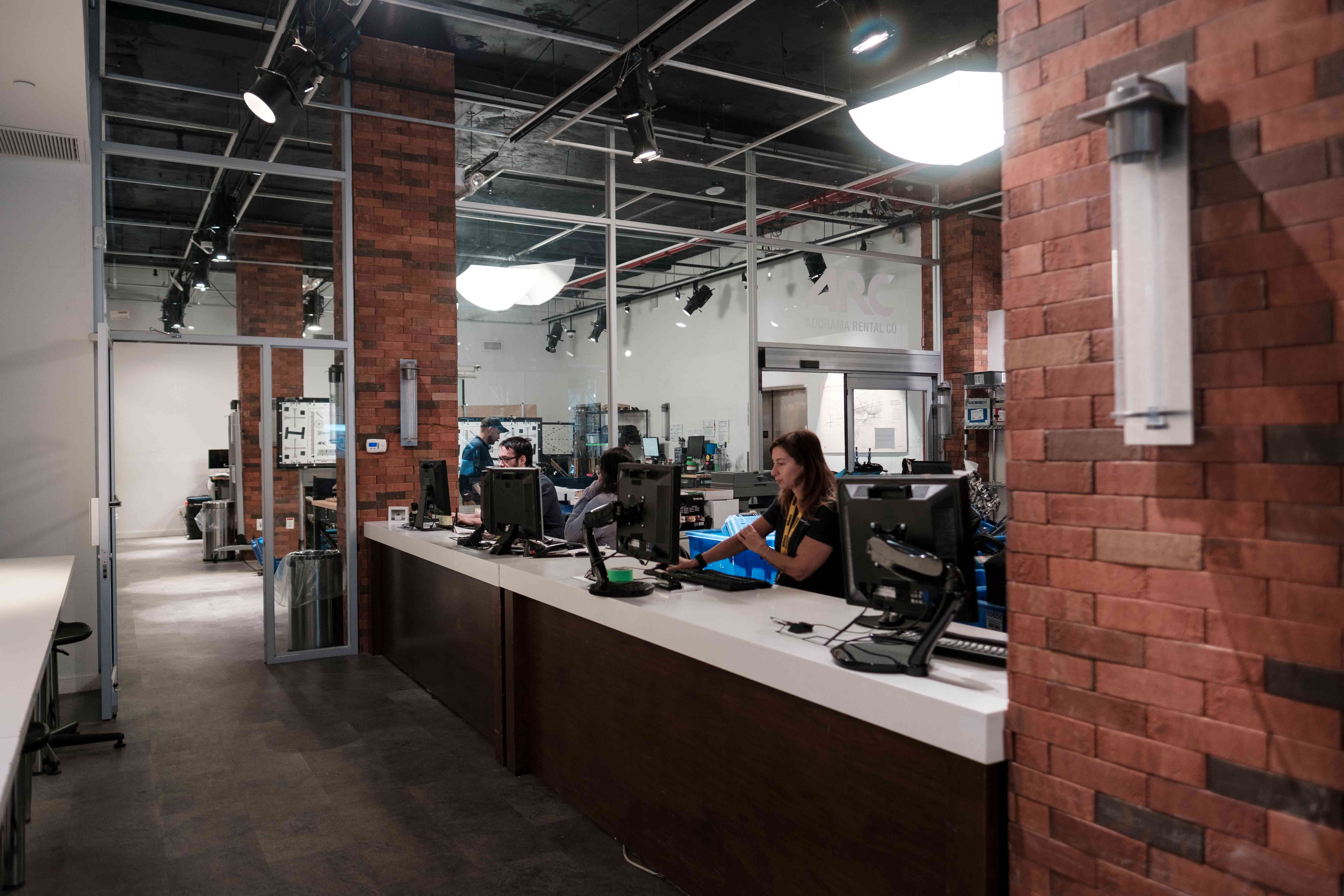
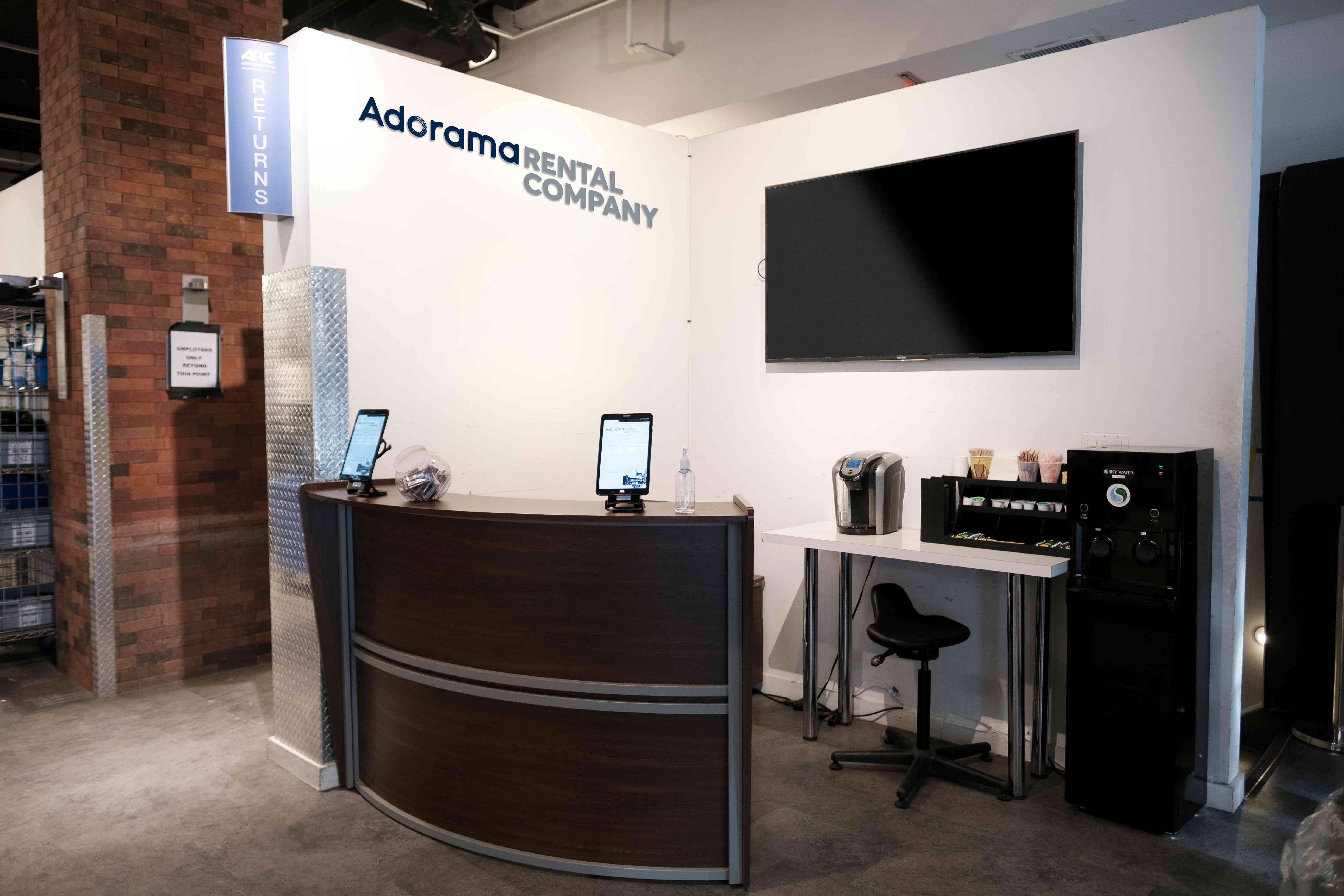
Manhattan
50 W 17th Street, New York, NY 10011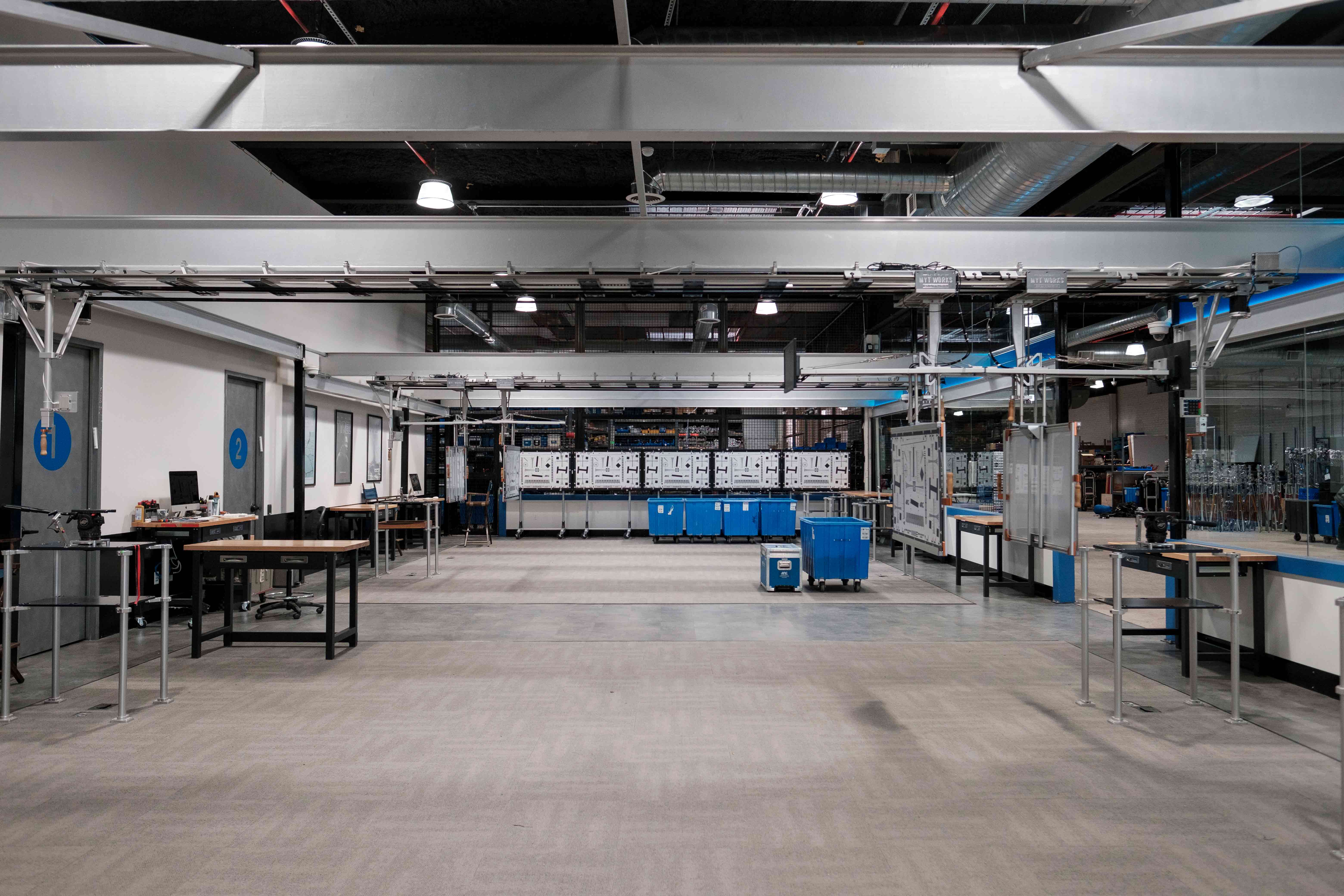
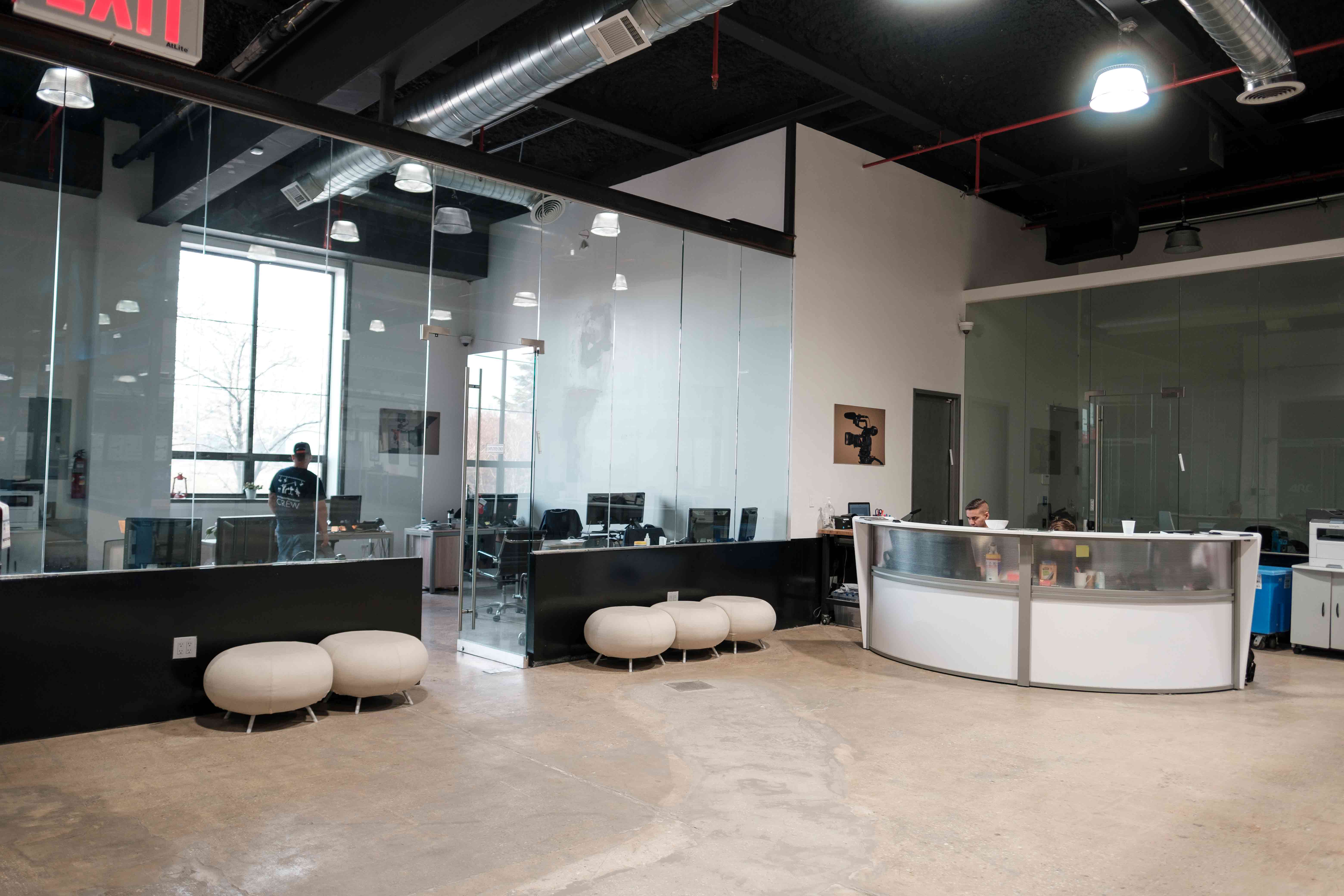
Brooklyn
370 19th Street, Brooklyn, NY 11215
Large Ground Floor
Larger, ground floor facility has an easy street level access with curbside assistance and messenger service option.

Faster Processing
All equipment is ready for the checkout upon your arrival and most returns are processed within 4 hours for quick invoicing.

Checkout Bays
Prep your production gear in the privacy and comfort of our new checkout bays while enjoying complimentary coffee or tea.

DIT Experts
Access to on-site DIT and expert technicians as well as camera, audio and lighting specialists who can answer any questions you may have.

Quality Assurance
Adorama Rental Company has the best prices in the industry, always carrying the latest equipment, maintained under the most rigorous quality control.

Project Consultation
Our technical support experts and project consultants are ready to discuss your project and provide creative solutions that work for you.